Setting
the course
Swiss-engineered robotic racing marks. Tow them on a plane, set the course from a tablet, and they hold their station. Anywhere you sail.
Talk with ChrisFour RoboMarks under tow, with the Alps behind.
- Olympic Games sailed by founder Chris Rast
- 3
- Marks per fleet, from a single mark to a full course
- 1–7+
- Ways to connect: cellular web app or closed Wi-Fi
- 2
- Anchors to haul and metres of line to pull
- 0
Stays put.
Period.
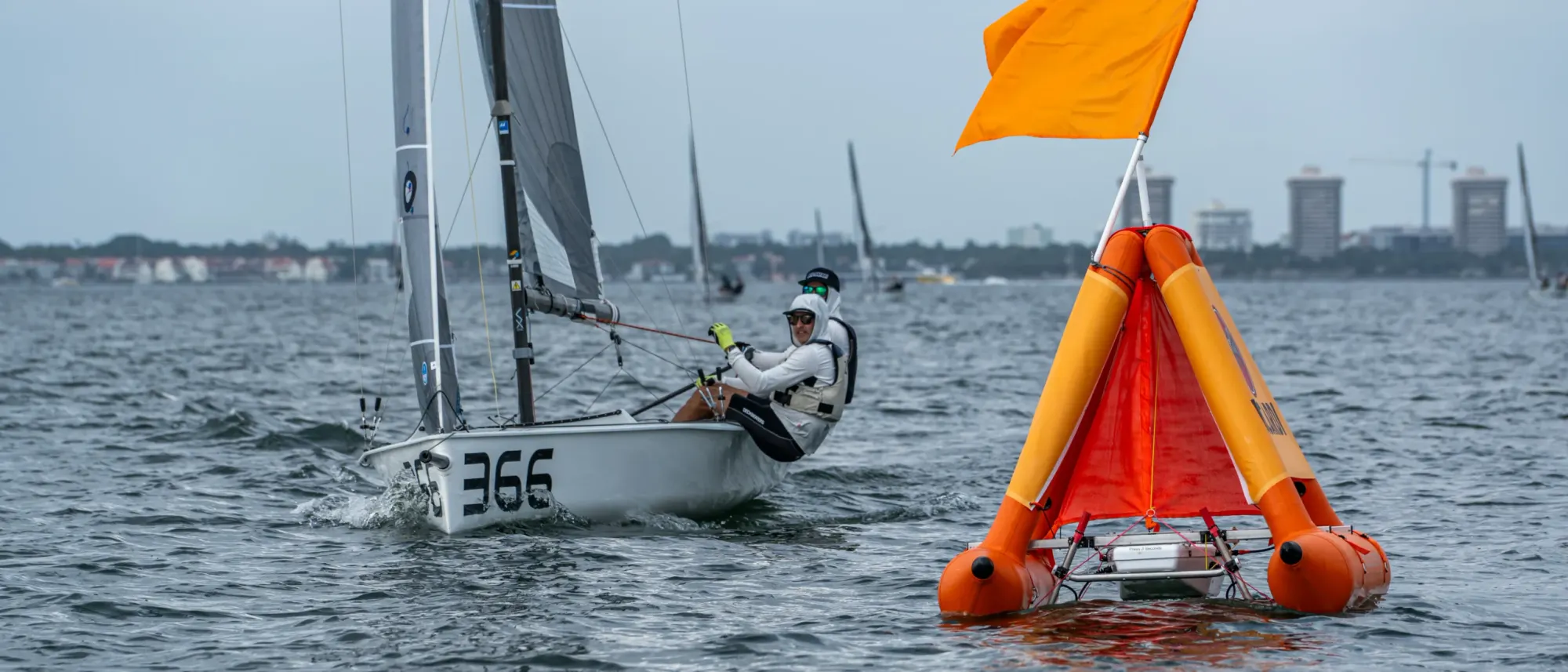
- Multi-constellation GNSS Precise positioning locks it on station.
- High-torque motors Maximum outboard to hold against wind and current.
- Low centre of gravity Stable in the conditions that matter.
- Drone-grade electronics High-end drone technology inside.
Built for
race day
Less time setting up, more time racing. RoboMark is the only semi-autonomous robotic mark designed for high-speed towing.
-
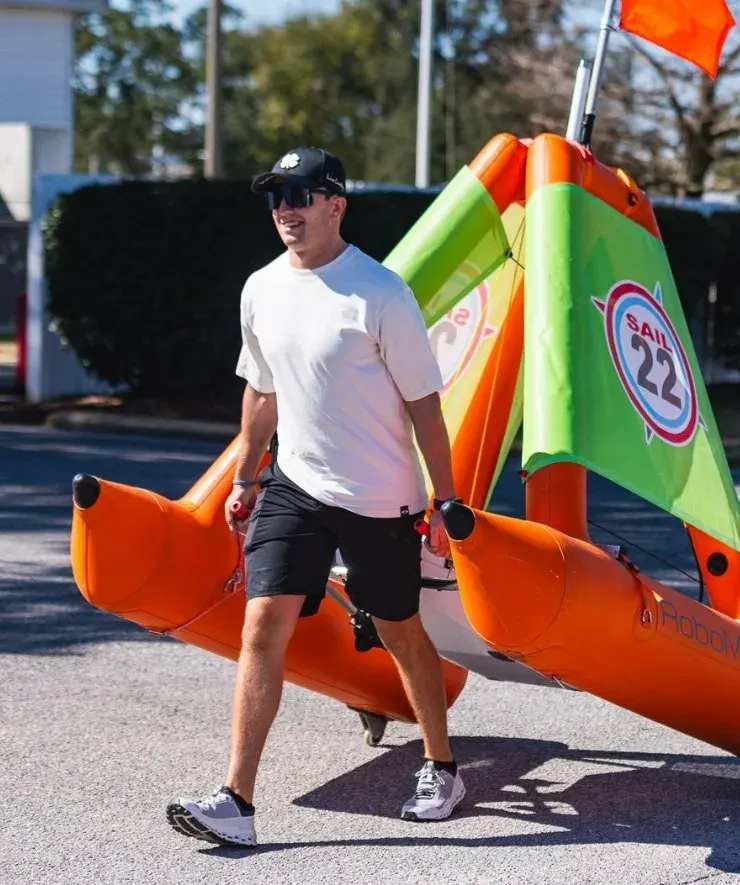
Race committees
Keep your volunteers by taking the physical work away. Set the course from your tablet, dry and stress-free.
-
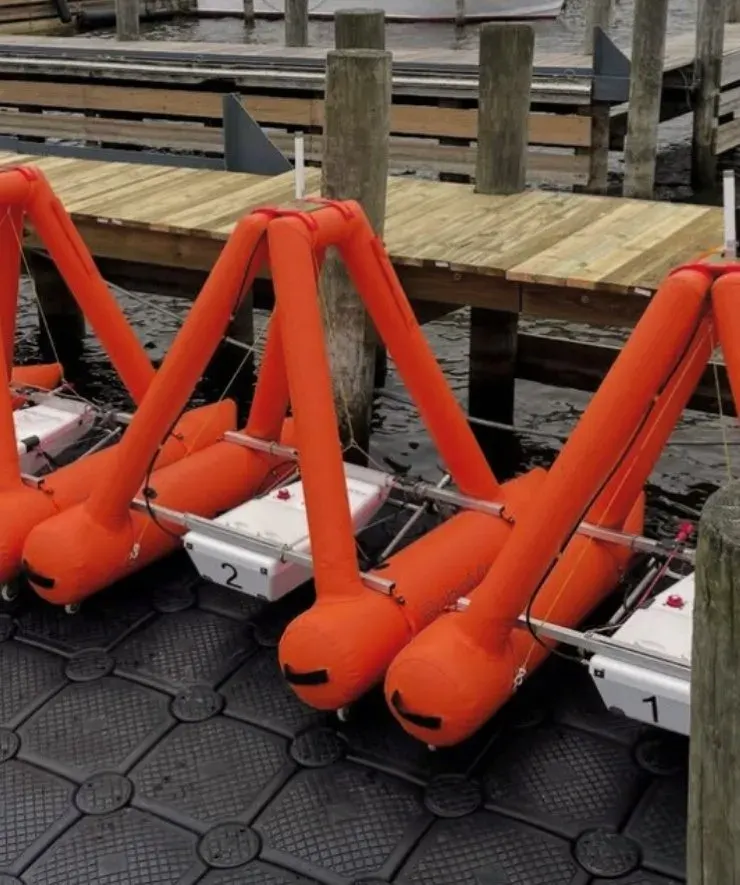
Yacht clubs
A long-term club asset. Cut fuel costs and drop the anchor maintenance and the endless metres of line.
-
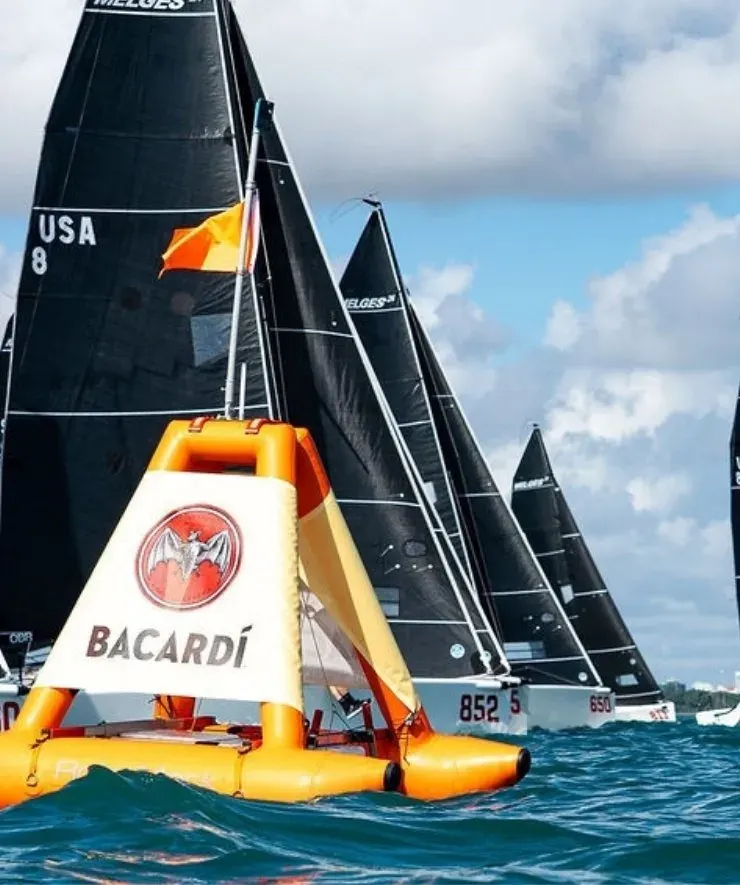
Sailors
Zero-drift starting lines and consistent gates, because the fairness of a race depends on the stability of the mark.
Wind shifts.
Course follows.
Turn the wind and watch the top mark. An anchored mark stays where it was dropped, and someone has to pull it up and lay it again. A RoboMark gets its new position from the race officer’s tablet and drives there on its own.
Tow fast.
Lift nothing.
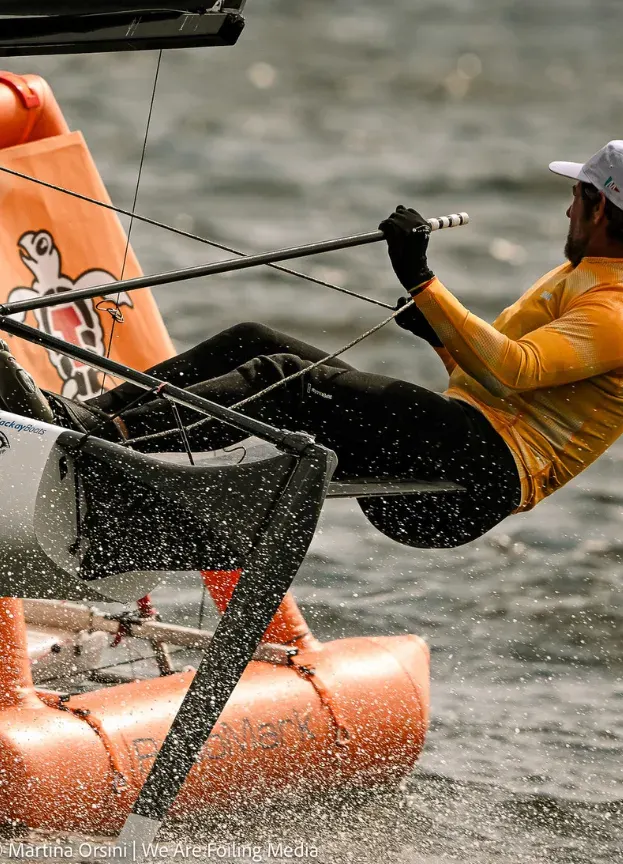
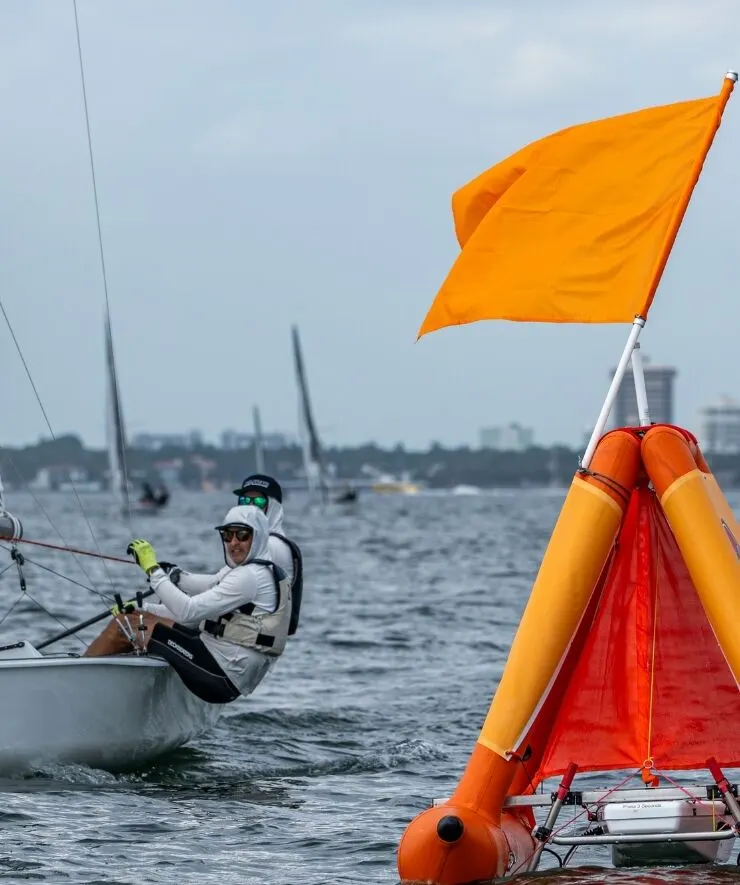
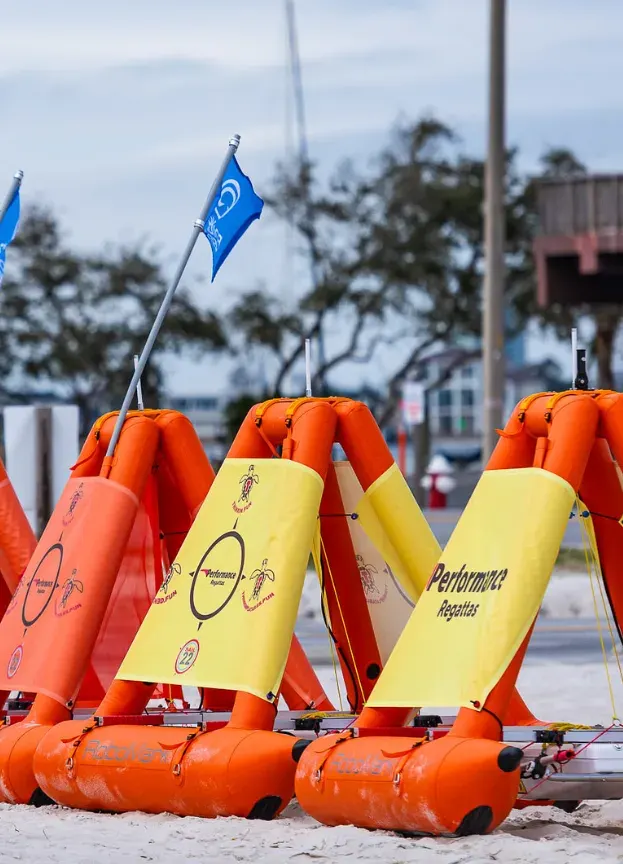
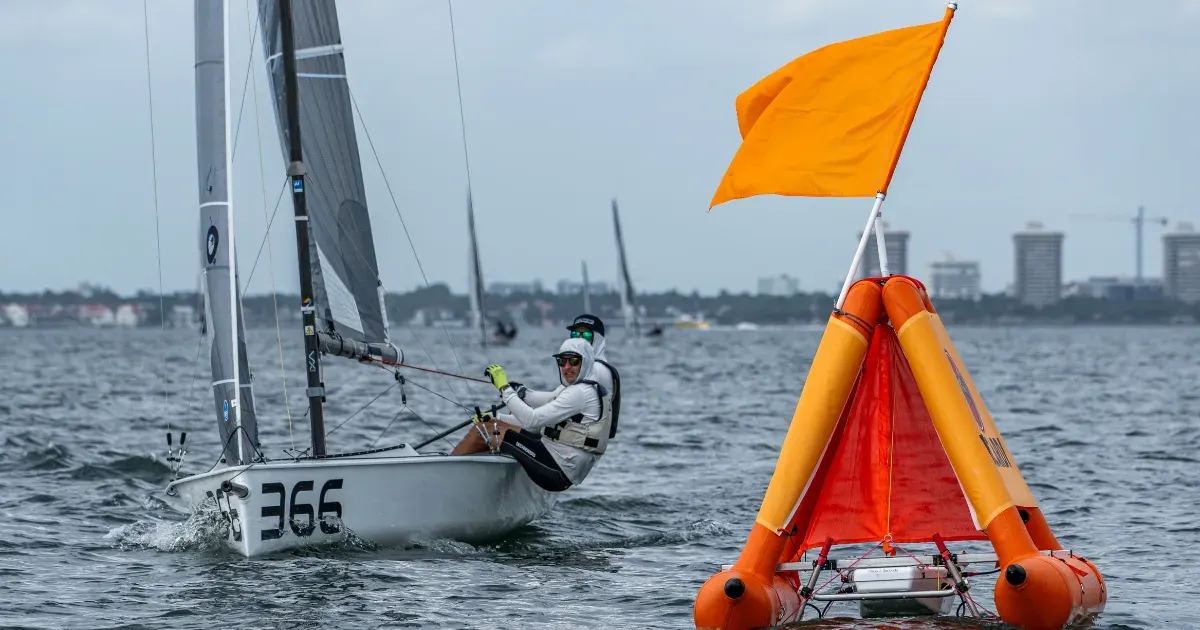
Trusted on the water
A selection of the clubs and events racing with RoboMark. Want to hear from a current user? Ask, and RoboMark will put you in touch.


Designed by
an Olympian
Built by Swiss engineers. Run by a family.
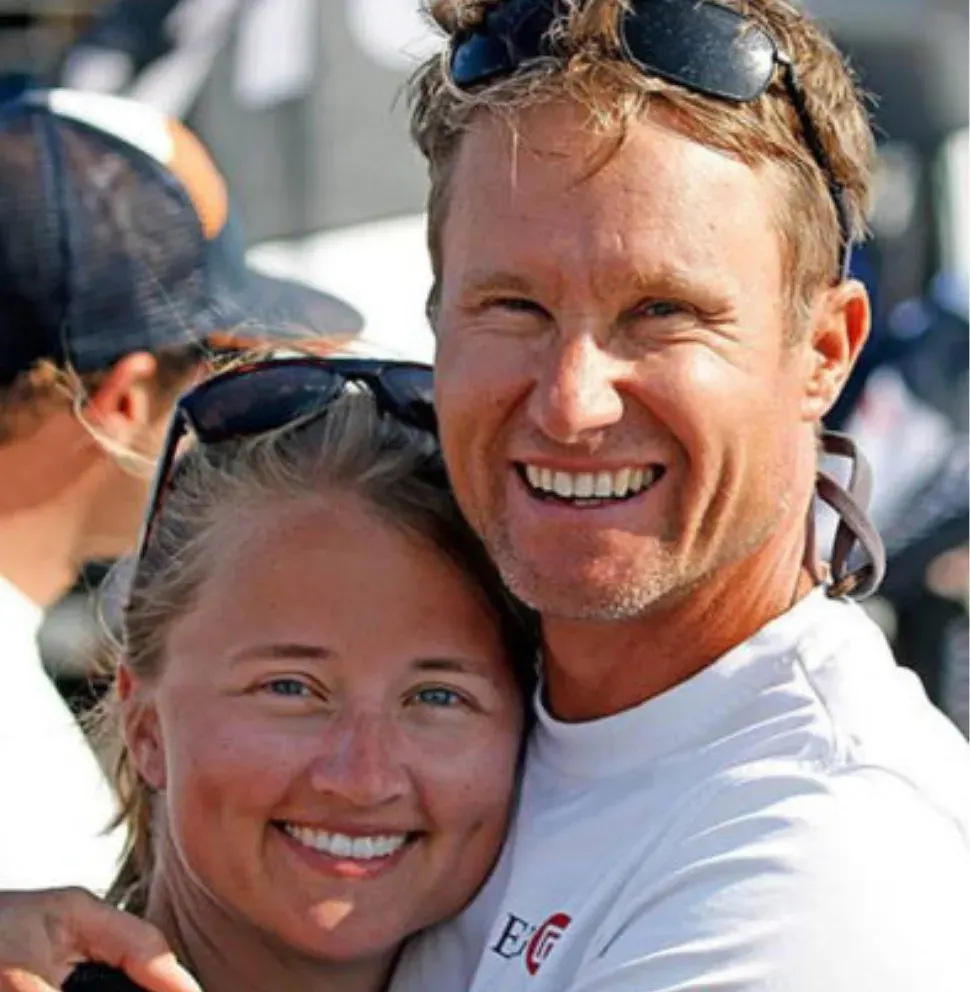
Three-time Olympian Chris Rast co-founded RoboMark to bring what he learned on the race course to a mark built by Swiss engineers.
With his wife Dani Rast and a small, dedicated team, RoboMark delivers a professional system and looks after every club in person.
Talk with Chris